Harvard-EPS-210
Harvard EPS-210: AI for Earth & Planetary Science
Instructor: Mostafa Mouasvi
Tutorials
Lab 1: Data Understanding and Preparation
Activity 1: Seismology – The 1D Time-Series (4 Parts, 20 Minutes)
Activity 2: Remote Sensing – The 3D Tensor (3 Parts, 10 Minutes)
Activity 3: Climate Science – The 4D Hypercube (1 Part, 5 Minutes)
Activity 4: GPS Data Preparation (7 Parts, 30 Minutes)
Activity 5: The "Long Tail" & Distributions (2 Parts, 5 Minutes)
Lab 2: Traditional Machine Learning - Supervised Methods
Activity 1: Random Forest for Lithology Classification from Well Logs (9 Parts, 55 Minutes)
Activity 2: Using Automatic Feature Engineering (AFE) Tools (4 Parts, 15 Minutes)
Lab 3: Traditional Machine Learning - Unsupervised Methods
Activity 1: Earthquake Clustering with K-Means and DBSCAN (5 Parts, 25 Minutes)
Activity 2: Gaussian Mixture Models for Soft Clustering (2 Parts, 10 Minutes)
Activity 3: Hierarchical Clustering (2 Parts, 10 Minutes)
Activity 4: Dimensionality Reduction with Hyperspectral Data (4 Parts, 10 Minutes)
Activity 5: Synthesis Challenge (Bonus)
Lab 4: Multilayer Perceptron
Activity 1: Seismic Event Classification using Fully Connected Neural Networks (5 Parts, 70 Minutes)
Lab 5: CNNs in EPS
Activity 1:  Building Change Detection from Satellite Imagery
Activity 2:  Martian Crater Detection with YOLO
Lab 6: RNNs and Transformers in EPS
Activity 1: LSTM-Based Streamflow Forecasting (1-Hour Accelerated Lab)
Lab 7: GNNs in EPS
Activity 1: GraphCast-Style GNN for Atmospheric CO₂ Transport (1-Hour Accelerated Lab)
Lab 8: Generative AI in EPS
Activity 1: Understand the architecture and training of Generative Adverserial (GANs) and how it can be used for percipitation nowcasting.
Activity 2: Understand the architecture and training of Variational Autoencoders (VAEs) and how it can be used for downscaling climate data.
Lab 9: Geofoundational Models
Activity 1: Fine-Tuning Prithvi-EO-2.0 for Wildfire Burn Scar Mapping
Lab 10: Turstworthy AI
Activity 1: Uncertainty Quantification in Deep Learning for Earth Sciences
Interactive Visualizations
Click on each image to see the live interactive version:
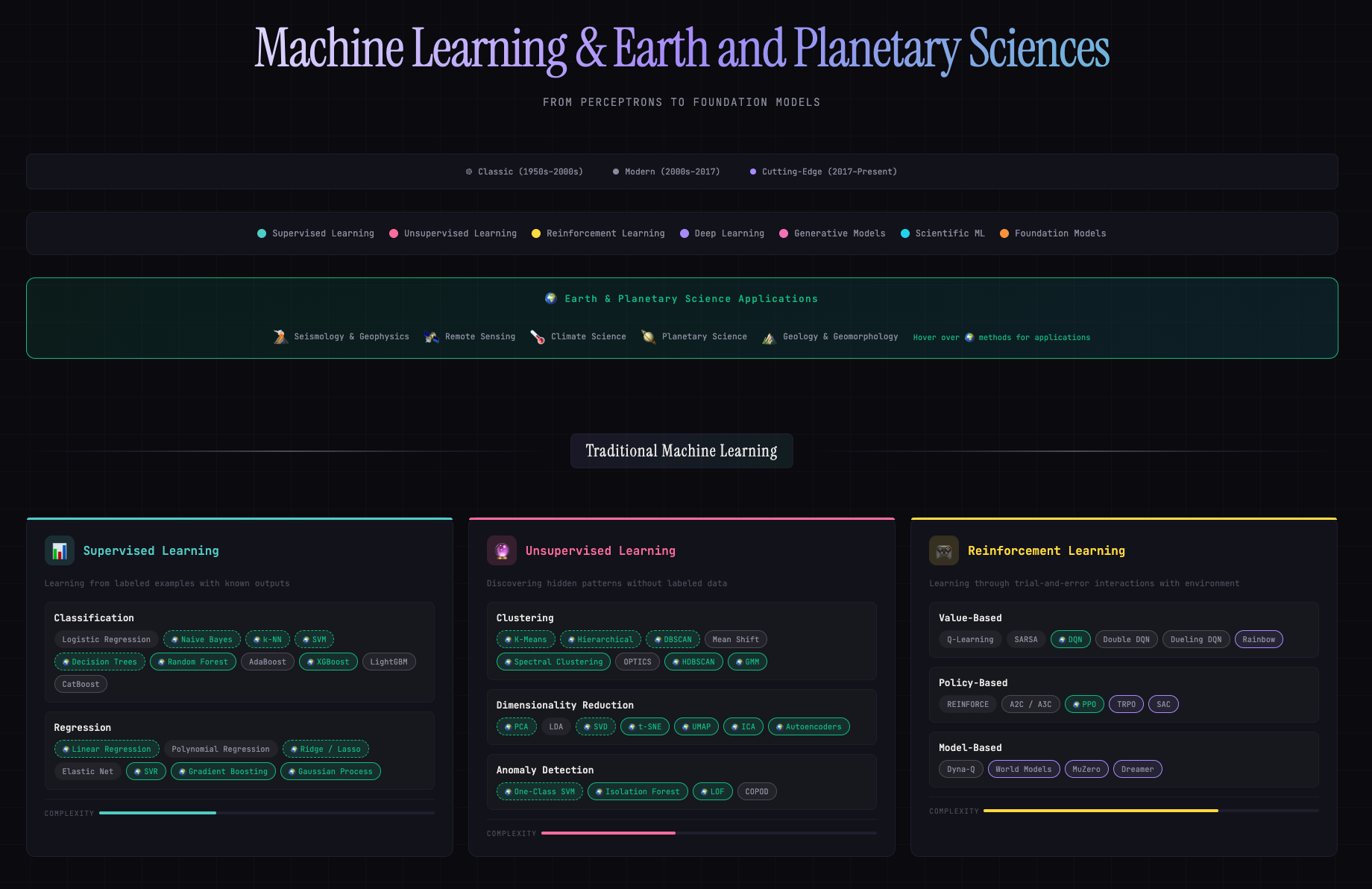
Lecture 1:Intro to AI4EPS
| Machine Learning & Earth and Planetary Sciences |
|---|
|
Lecture 2: Traditional Machine Learning (Statistical Learning) - Supervised Methods
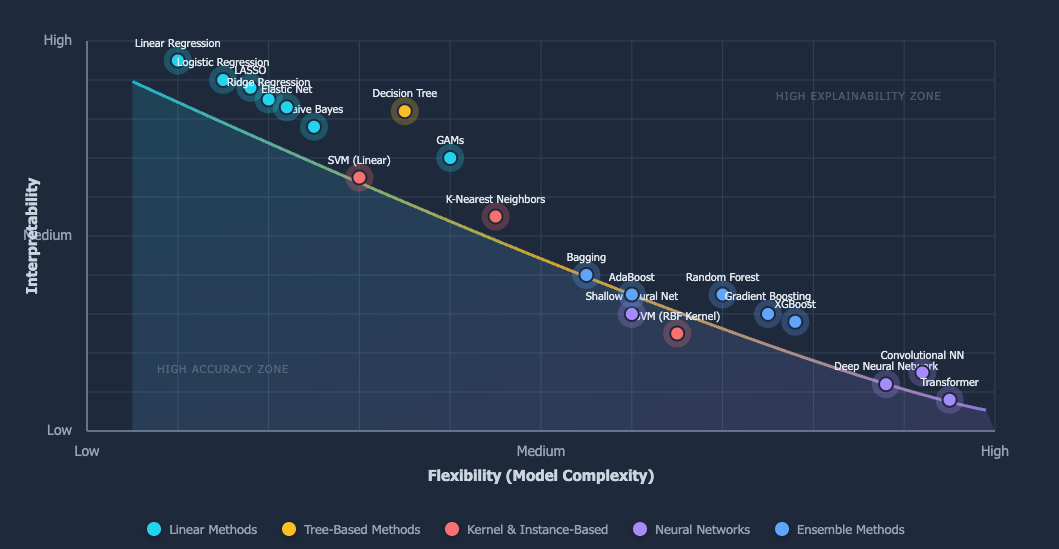
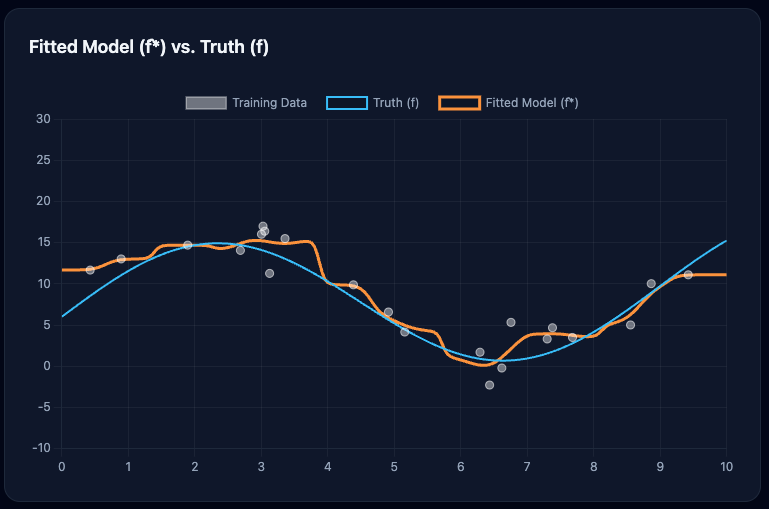
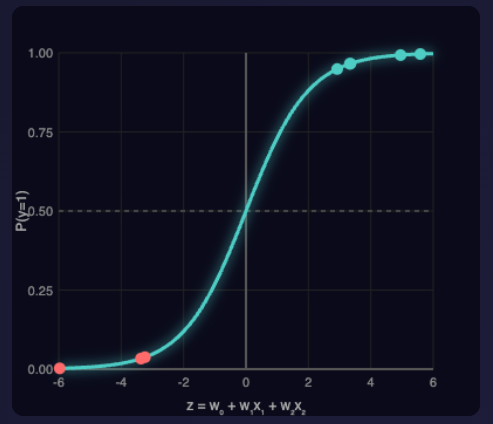
| Flexibility vs Interpretability | Bias-Variance Trade-Off | Logistic Regression | Naive Bayes | ||||||||||||||||||
|---|---|---|---|---|---|---|---|---|---|---|---|---|---|---|---|---|---|---|---|---|---|
|
|
|
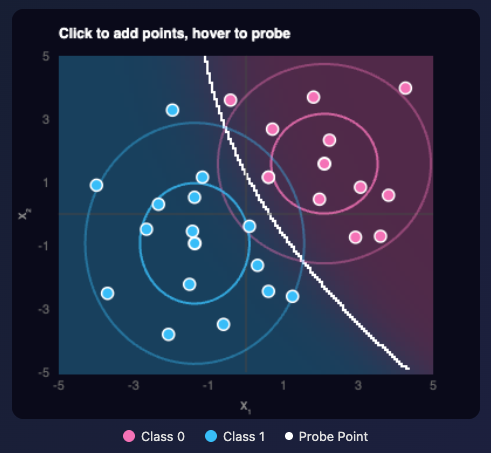
|
</tr>
</table>
| K-Nearest Neighbors | Support Vector Machines | Decision Trees | Random Forest |
|---|---|---|---|
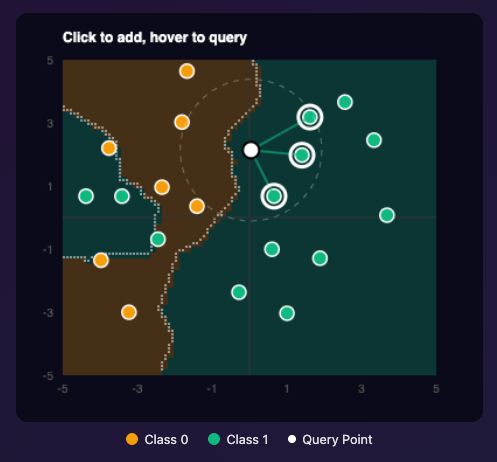
|
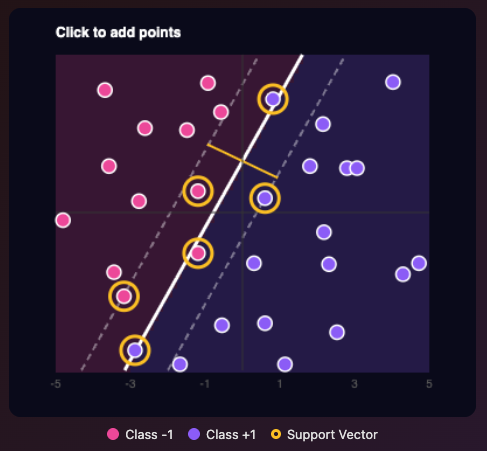
|
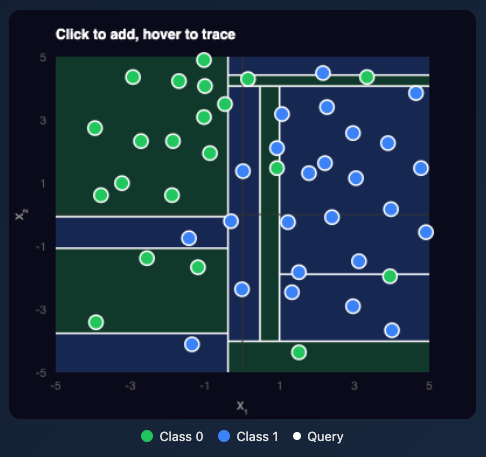
|
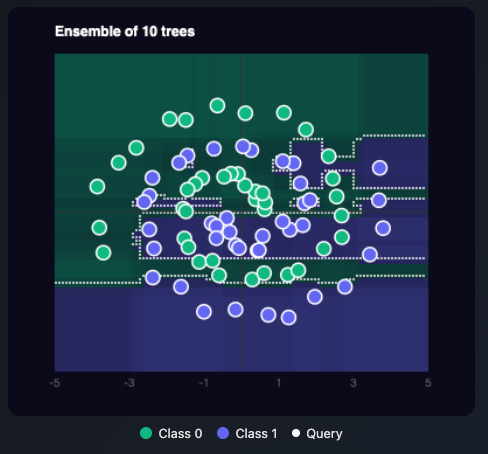
|
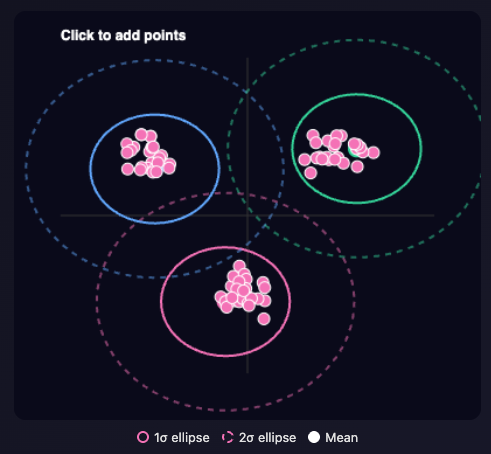
| K-Means Clustering | Hierarchical Clustering | DBSCAN Clustering | Gaussian Mixture Models | ||
|---|---|---|---|---|---|
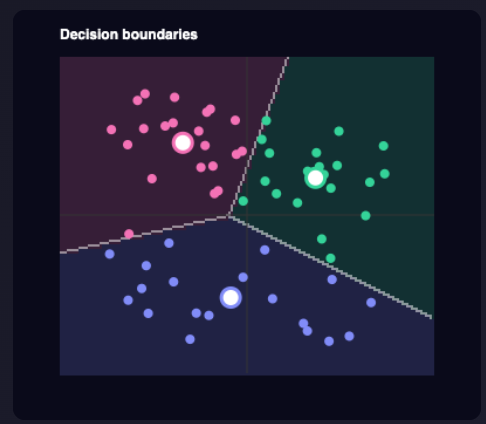
|
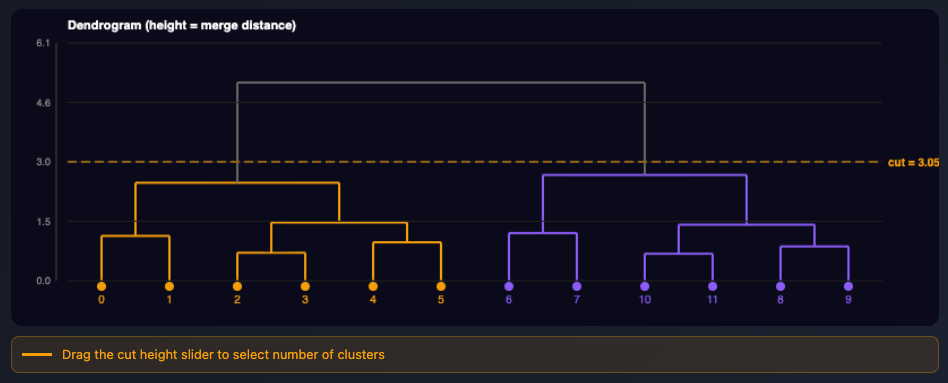
|
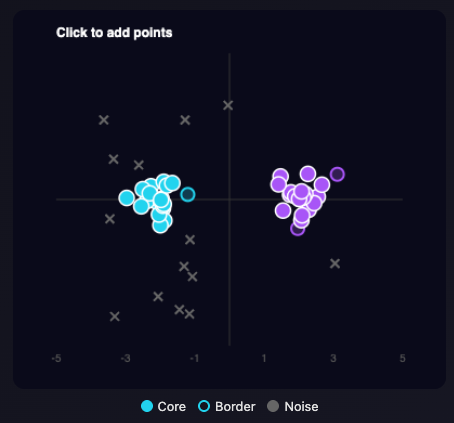
|
|
</tr>
</table>
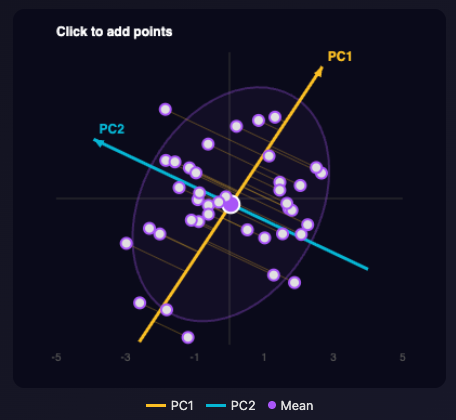
| Principal Component Analysis |
|---|
|